Before You Call Action: The Pre-Production Habits That Actually Make or Break a Film
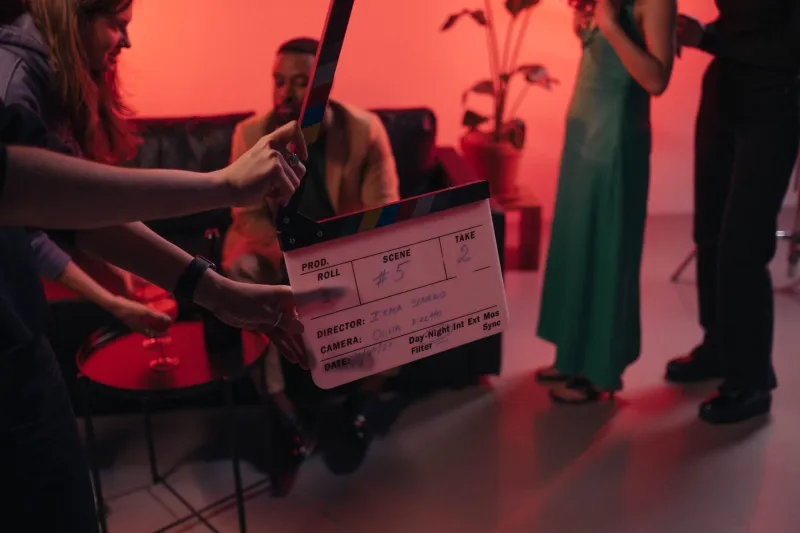
There's a myth that filmmaking is mostly about the magic that happens on set — the spontaneous performance, the perfect golden-hour light, the happy accident that ends up in the final cut. And sure, those moments exist. But ask any working director about the shoot that went sideways, and almost every story traces back to the same root cause: they didn't plan enough.
Pre-production isn't glamorous. Nobody's posting their shot lists to Instagram. But it's the phase where the real creative decisions get made — and where a limited budget can either stretch beautifully or collapse under its own ambition.
The Script Breakdown: Your First Real Test
Before you touch a camera, your script needs to be broken down scene by scene — not just read, but dissected. Every location, every prop, every speaking role, every special effect or visual need gets pulled out and catalogued. This process forces you to see your project as a logistical puzzle, not just a story.
Working directors often talk about this step as the moment they truly understand what they've written. You might think you've got a tight five-day shoot until the breakdown reveals you've got 14 unique locations across three boroughs. That's not a five-day shoot anymore.
Software like StudioBinder or even a well-organized spreadsheet can handle this. The tool matters less than the discipline. Get granular. A coffee cup on a desk is a prop. A prop needs a source. A source needs a budget line. This is the mindset.
Storyboarding Isn't Just for Blockbusters
A lot of indie filmmakers skip storyboarding because it feels like extra work — or because they're not confident artists. Both are understandable, and both are mistakes.
You don't need polished illustrations. Stick figures and rough geometric shapes communicate camera angle, subject position, and movement just fine. What storyboards actually do is force you to make visual decisions before you're standing on location with a crew of 12 people waiting on you.
Even a rough shot list tied to basic thumbnail sketches gives your DP a roadmap. It shortens setup time. It reduces the number of "what are we doing next?" conversations that quietly eat your shooting day alive. Directors like David Fincher are famously obsessive about pre-visualization, but you don't need Fincher's resources to adopt his mindset. Plan the shot. Then go shoot it.
Location Scouting: More Than Finding a Cool Background
A great location isn't just visually interesting — it's workable. Can you get a truck close enough to unload equipment? Is there ambient noise from a nearby highway that'll wreck your dialogue tracks? Where does the sun sit at 2pm? Is there accessible parking for your crew?
These aren't creative questions, but ignoring them creates creative problems. Plenty of indie shoots have lost hours — or entire shooting days — because a location looked perfect in photos and turned out to be a logistical nightmare in person.
When you scout, bring your DP if possible. Walk the space at the same time of day you plan to shoot. Take reference photos from multiple angles. Note power access, sound conditions, and any permits you'll need. In most US cities, filming in public spaces — even for a student project — requires at least a basic permit, and getting caught without one mid-shoot is a nightmare you really don't need.
Crew Coordination: Communication Is a Pre-Production Job
One of the most overlooked parts of pre-production is simply talking to your crew — in advance, clearly, and with specifics. Not a group text the night before. Actual coordination.
Every department head should understand the vision before day one. Your production designer needs to know the visual tone you're going for. Your gaffer needs to know whether you're chasing naturalistic light or something more stylized. Your sound mixer needs to know about any challenging locations ahead of time so they can plan accordingly.
This is where a production meeting — even a two-hour Zoom call for a smaller production — pays enormous dividends. You surface problems before they become on-set emergencies. You align expectations. You give people the context they need to make good decisions when you're not standing right next to them.
Building a Realistic Schedule (and Then Padding It)
Every production schedule is optimistic. The question is by how much.
A useful rule of thumb: take your first draft of the shooting schedule and assume everything takes 20% longer than you think. That's not pessimism — that's experience. Setups run long. A performance takes extra takes. Craft services runs out of coffee and suddenly everyone moves at half speed.
Break your days by scene complexity, not just page count. A simple two-character dialogue scene might cover four pages but shoot in two hours. A single action beat with environmental elements might cover half a page and take most of the day. Page count is a rough guide; understanding what each scene actually requires is how you build a schedule that holds.
The Contingency Plan Nobody Wants to Make
What happens if your lead actor gets sick on day two? What if your outdoor location gets rained out? What if a key piece of equipment fails?
Professional productions have answers to these questions written down before the shoot starts. Indie productions often don't — and that's exactly why they spiral when something goes wrong.
You don't need an elaborate crisis management document. You need a short list of answers to "what's our backup if X falls apart?" for the two or three most likely failure points in your specific production. That's it. But having that list means the difference between a bad morning and a lost day.
Pre-Production Is Where the Vision Lives
Here's the thing about all this planning: it's not about eliminating creativity. It's about protecting it. When you've done the work beforehand — when the locations are locked, the shot list is solid, the crew is aligned — you actually have more freedom on set, not less. You're not solving logistics in real time. You're directing.
The directors who make it look effortless on set? They put in the unglamorous hours before anyone showed up with a camera. That's the real behind-the-scenes story. And it's one you can start writing for your next project right now.