Small Budgets, Big Stories: How Indie Filmmakers Are Rewriting the Rules of Cinema
There's a running joke in film school circles: Hollywood spends $200 million to blow up a building, and some kid from Austin spends $7,000 to make you cry over a conversation in a diner. The punchline? The diner film wins the festival.
It sounds like an exaggeration, but honestly — it's not that far off. Independent filmmaking in the US has hit a kind of creative renaissance, and the people driving it aren't studio executives in Burbank. They're scrappy, passionate creators who've figured out that vision, not money, is the real currency of storytelling.
The Cinematography Revolution Nobody Saw Coming
For decades, the gap between indie and studio films was painfully obvious the moment a movie hit the screen. Grainy footage, flat lighting, shaky handheld work that felt more accidental than intentional — these were the telltale signs of a low-budget production.
That gap has basically closed.
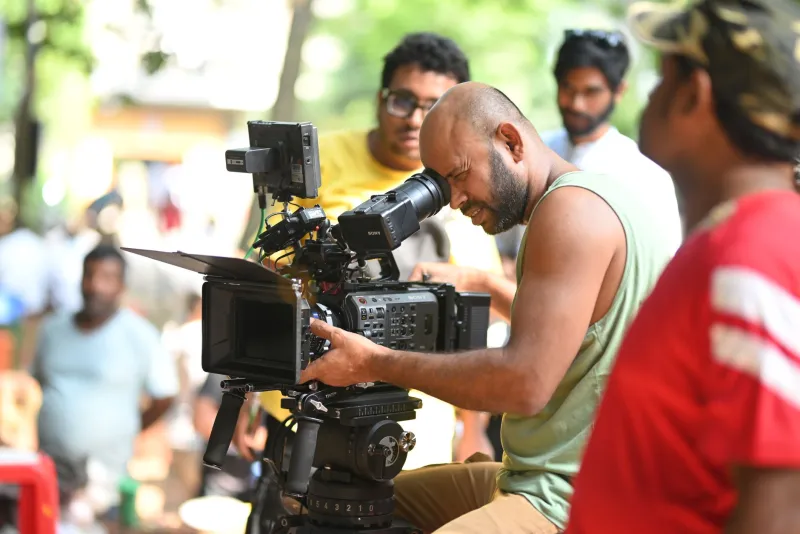
The democratization of camera technology has been nothing short of a game-changer. Cameras like the Blackmagic Pocket Cinema 4K or the Sony FX3 deliver cinematic image quality at price points that were unthinkable ten years ago. Filmmakers like the Daniels — Daniel Kwan and Daniel Scheinert — built their visual language on inventive, low-cost setups long before Everything Everywhere All at Once swept the Oscars. Their work is a masterclass in doing more with less, using creative framing and unconventional visual metaphors to carry emotional weight that a hundred VFX shots couldn't replicate.
What indie creators have figured out is that audiences don't actually care about technical perfection. They care about feeling something. A perfectly lit close-up of an actor's face telling a genuine truth will always outperform a technically flawless shot of an explosion that means nothing.
Editing as a Language, Not Just a Tool
One of the most underappreciated weapons in the indie filmmaker's arsenal is editing. Without the resources to shoot a hundred takes or fill a frame with spectacle, indie editors have had to get genuinely creative with rhythm, pacing, and structure.
Films like Tangerine — shot entirely on an iPhone 5S — used frenetic, almost music-video-style editing to reflect the chaotic energy of its characters' lives. The editing wasn't compensating for a lack of budget; it was the storytelling. Every cut served the emotional arc.
Unconventional editing choices — non-linear timelines, deliberate jump cuts, extended silences — have become signatures of indie work that actually feel intentional rather than accidental. Directors like Sean Baker and Ari Aster have built entire cinematic identities around the way they structure time and tension within a film. These aren't happy accidents. They're carefully crafted decisions made by filmmakers who understand that form and content should be inseparable.
Streaming Changed Everything (And Then Changed Again)
Let's be real: none of this creative momentum would mean much without somewhere for these films to actually live. The rise of streaming platforms fundamentally altered the distribution landscape for indie creators, and the effects are still rippling outward.
Netflix's early investment in films like Beasts of No Nation and The Irishman signaled that prestige storytelling wasn't exclusively a theatrical event. But more importantly, platforms like MUBI, Criterion Channel, and even Tubi have carved out dedicated spaces for independent and international cinema that simply didn't exist at this scale before. A filmmaker in Nashville can now reach a global audience without a single theatrical booking.
That said, the streaming ecosystem isn't without its complications. Algorithm-driven discovery means that genuinely adventurous work can get buried under more commercially palatable content. Filmmakers are increasingly having to think like marketers — not just storytellers — to get their work seen. The creative challenge hasn't disappeared; it's just shifted.
Real Talk: What Aspiring Filmmakers Can Actually Learn
So if you're sitting on a script and a dream and about $15,000 in savings, what does any of this mean for you?
First, stop waiting for permission. The most successful indie breakouts — Blair Witch Project, Paranormal Activity, Moonlight — didn't happen because someone handed the directors a greenlight. They happened because those filmmakers made the film anyway and then found their audience.
Second, know your visual language before you pick up a camera. Spend serious time studying cinematography — not just watching films, but analyzing them. Why is the camera at this angle? What does this color palette communicate? Visual storytelling is a skill set, and like any skill, it rewards deliberate practice.
Third, think about distribution from day one. Film festivals like Sundance, SXSW, and Tribeca are still meaningful launchpads, but they're not the only path. Building an audience online, leveraging social media, and understanding platform strategy can be just as valuable as a festival slot.
And finally — tell a story only you can tell. The one thing an indie filmmaker will always have over a studio production is authenticity. Studios make films by committee. You can make a film that reflects a singular, specific, deeply personal vision. That's not a disadvantage. That's your superpower.
The Bigger Picture
Hollywood isn't going anywhere. The spectacle, the franchises, the $300 million blockbusters — they'll keep coming, and audiences will keep showing up for them. But the conversation around what cinema can be is increasingly being shaped by people working outside the studio system.
At Saharkhiz Creative, we believe that vision is the starting point for everything. The tools to execute that vision have never been more accessible. The platforms to share it have never been more widespread. The audience hungry for something real, something unexpected, something that actually moves them — they're out there, waiting.
The only question is whether you're ready to show them what you've got.