Getting It Wrong on Purpose: How the Reshoot Became a Creative Superpower
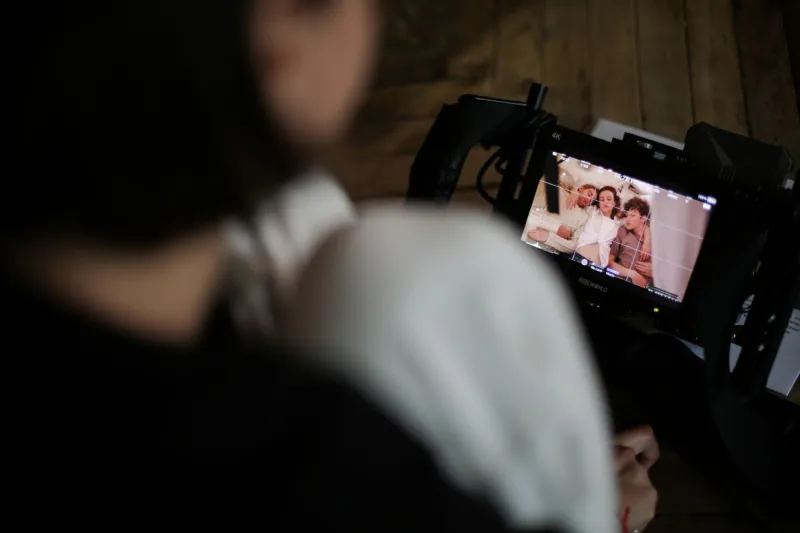
Nobody Wants to Talk About the Stuff That Didn't Work
There's this unspoken rule in creative spaces that you only show the finished thing. You post the final cut, the clean version, the one where everything went right. The blooper reel is a cute bonus, not the main event. But somewhere along the way, a handful of filmmakers and content creators started breaking that rule—and their audiences went absolutely wild for it.
The reshoot used to mean failure. It meant you burned budget, missed your deadline, and had to go back and explain yourself to someone. In Hollywood, reshoots are still treated like a dirty word, something studios quietly acknowledge in trade press while spinning the narrative as "additional photography." But in the indie world? In the creator economy? The reshoot is quietly becoming one of the most powerful tools in your arsenal—not despite what it signals, but because of it.
What Audiences Actually Respond To
Here's the psychology that nobody in film school talks about: people don't just want to watch your work. They want to watch you figure it out.
There's a reason behind-the-scenes content consistently outperforms polished trailers on social. There's a reason "making of" videos have been popular since the DVD era. Audiences are wired to connect with process, not just product. When you show them the version that didn't work and then show them why you went back—what you saw, what you changed, what you were chasing—you're inviting them into a relationship, not just a transaction.
Platforms are picking up on this. YouTube's algorithm has been favoring longer watch times on creator-journey content for years. TikTok's community tab and Substack's model both reward the kind of ongoing narrative that a reshoot story naturally creates. You're not just posting a video—you're running a serial. And people subscribe to serials.
The Competitive Angle Nobody's Talking About
Most indie creators are still operating under the assumption that looking polished equals looking professional. And sure, technical quality matters—we've covered that here before. But "polished" is increasingly table stakes. What's actually rare right now is honesty about the creative process.
Think about the landscape you're competing in. Thousands of short films, web series, and creative projects drop every week. A lot of them look great. A lot of them are technically competent. Very few of them let you watch the creator realize something was wrong and do something about it.
That's your opening.
When you document a reshoot—even something as simple as a two-minute Instagram video explaining that the lighting in your first pass felt too flat and you went back on a Saturday morning to get it right—you're differentiating yourself in a way that no production value upgrade can touch. You're showing that you care enough to start over. That you have standards. That you're not just shipping content; you're making something.
How to Actually Do This Without Looking Sloppy
There's a version of this that goes wrong, and it looks like a creator who's always in chaos, always revising, never actually finishing anything. That's not the move. The reshoot-as-strategy only works when it's framed correctly.
The key is intentionality in how you share it. You're not venting about what went wrong—you're narrating a creative decision. There's a massive difference between "ugh we had to reshoot the whole opening scene" and "we went back to the opening scene because we realized the emotional entry point wasn't landing, and here's the before and after."
One sounds like you're struggling. The other sounds like you're directing.
Some practical ways to frame it:
- Before/after breakdowns: Show the original footage and the reshoot side by side. Let people see the difference. Most of the time, the evolution is genuinely interesting.
- Decision narration: Write or record a short explanation of what you saw that wasn't working. Be specific. "The pacing felt off" is less compelling than "the character entered the scene with too much certainty and it killed the tension."
- Community involvement: Ask your audience what they think before you reshoot. Make them part of the call. This turns a revision into a collaborative moment.
The Long Game
Here's what happens when you build a reputation for this kind of transparency: your audience starts rooting for the project, not just watching it. They have skin in the game. They've seen the rough version, they've seen you wrestle with it, and now they genuinely want to see how it turns out.
That's a fundamentally different relationship than someone who stumbled across your final cut on a Friday night.
The creators who are winning long-term in the indie space right now are the ones building loyal communities, not just racking up views. And loyal communities are built on trust. Showing that you got something wrong—and that you cared enough to go back and fix it—is one of the most trust-building things you can do.
Admitting you got it wrong isn't a vulnerability. In 2024, it might be your sharpest competitive edge.