Photo: Shixart1985, CC BY 2.0, via Wikimedia Commons
There's a moment on every indie shoot when someone realizes the location isn't cooperating. Not logistically — emotionally. The scene was written to feel intimate, but this coffee shop has fluorescent lighting and a barista who will not stop steaming milk. Suddenly the scene you spent three drafts on plays like a sitcom cold open.
That's not bad luck. That's the location doing its job — just not the job you assigned it.
Every Space Has an Opinion
Walk into a real, lived-in diner at 7 a.m. and you can feel decades of regulars in the booths. Walk onto a soundstage dressed to look like a diner, and you feel... plywood. Neither is wrong, but they're telling two different stories before your actors say a word.
Spaces carry accumulated history, and cameras are remarkably good at picking it up. A cracked linoleum floor, a wall where the paint changed shades when a picture came down, a window that faces a parking lot instead of a sunset — these details leak meaning into every frame. Audiences read them subconsciously and constantly. If you're not choosing what the space says, the space is choosing for you.
Think of it this way: your script has a voice, your actors have a presence, and your location has a temperament. When all three agree, scenes feel inevitable. When they clash, no amount of coverage saves you.
Performance Follows Environment
Here's the part nobody warns you about: actors behave differently in different rooms.
Put two characters' argument in a cavernous empty garage and watch how the actors instinctively spread out, how pauses get longer, how the silence becomes a third character. Move the same scene into a cramped hallway and suddenly the argument can't breathe — bodies collide, exits are blocked, tension turns claustrophobic. Same dialogue. Completely different film.
Real locations also hand performers texture to react to. An actor waiting at an actual DMV has forty small frustrations available to them. On a set, they have to invent all of it. If you're working with non-professional or early-career actors — which most indie productions are — authentic environments do half the emotional labor for you.
Pacing shifts too. Wide, open locations invite longer takes and slower rhythms. Tight spaces push you toward cuts and urgency. If your edit feels off, the problem might not be your timeline — it might be that the geography of your scenes never matched the tempo you were going for.
Scouting Without a Scouting Budget
Most indie filmmakers treat location scouting as a logistical errand: does it have power, parking, and permission? That's step two. Step one is asking what the location is saying.
A few habits worth building:
Visit at the hour you'll shoot. A warehouse at noon with open bay doors is a different animal at 6 a.m. with one work light. Light, noise, and foot traffic change everything.
Record a phone video walking through the space. Watch it later with the sound on. You'll hear the refrigerator hum, the highway two blocks over, the HVAC cycle — all the things your ears edit out on the spot but your mic absolutely will not.
Ask what the room wants the scene to be. Seriously. If you can't answer that in a sentence, you haven't found your location yet.
Getting In: The Ask That Actually Works
The good news for anyone shooting in the US: people say yes to passion projects more often than you'd think. But the ask matters.
Skip the cold email that says "we're students making a film." Instead, lead with what's in it for them. A short paragraph, a link to anything you've finished, a clear window of dates, and — this is the part everyone forgets — proof that you carry liability insurance. A one-day insurance rider can cost less than a nice dinner, and it transforms you from "random person with a camera" into "small production that won't be a problem."
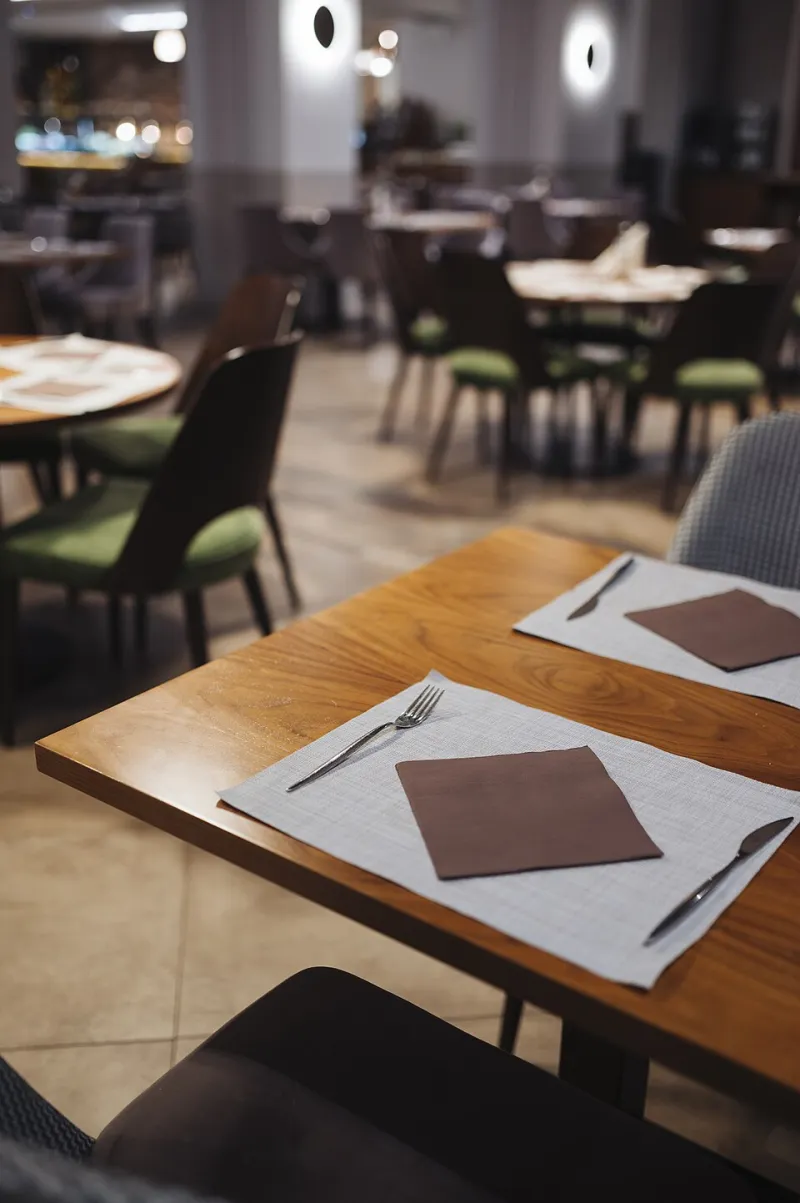
Restaurants and small businesses are often receptive during off-hours. Property managers of unoccupied commercial space are an underrated goldmine — empty storefronts and vacant offices photograph beautifully and rent cheap if you ask about "photo shoots" rather than "filming." And always, always leave the space better than you found it. The indie film world in any city is smaller than you think, and your reputation as a tenant follows you from project to project.
Let the Place Rewrite You a Little
The best location decisions involve some surrender. You scouted a laundromat for a breakup scene and discovered the fluorescent hum gives it a texture you couldn't have written. The porch you borrowed has a squeaky gate that becomes a motif. Let that happen.
Your script is a blueprint, not a cage. The places you shoot in will push back, and if you're paying attention, that pushback is often the most honest collaborator on your crew. Choose spaces the way you choose actors — for what they bring that you couldn't fake — and your film gets an atmosphere no color grade can manufacture.